
Valve Quality Control in Manufacturing: Best Practices for Ensuring Longevity and Reliability
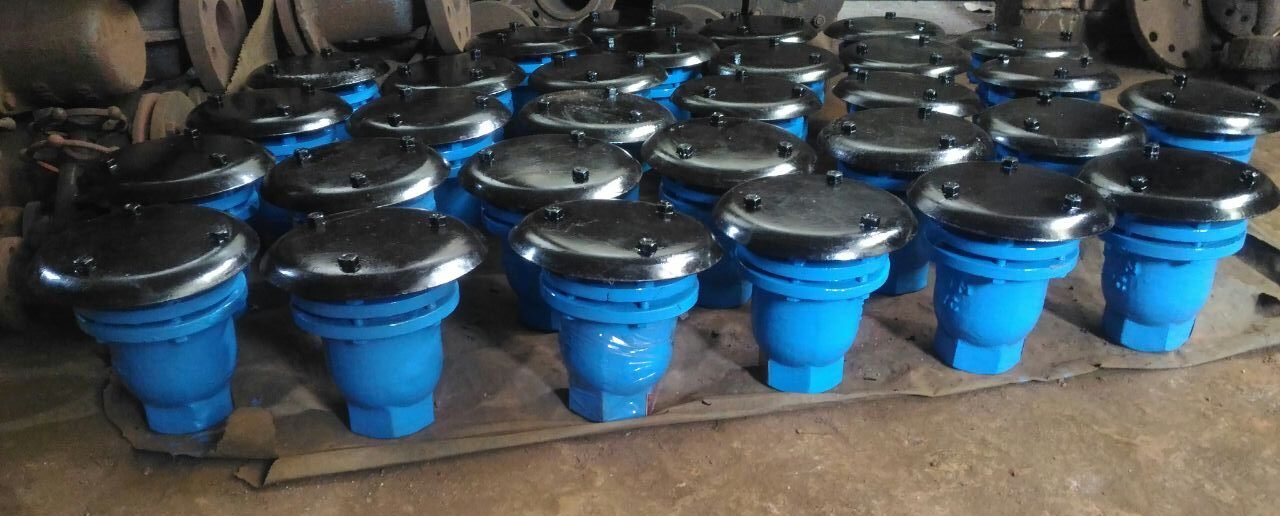
In industries where fluid control is critical, the reliability and longevity of valves are of paramount importance. From oil and gas pipelines to water treatment plants, valves play a vital role in ensuring the smooth flow of fluids and gases. The key to ensuring that valves perform reliably under extreme conditions lies in rigorous quality control throughout the manufacturing process.
The Importance of Quality Control in Valve Manufacturing
Quality control is essential to ensure that valves meet industry standards and can withstand the high pressures, temperatures, and corrosive environments they are designed for. A well-implemented quality control process not only guarantees product integrity but also enhances operational efficiency and minimizes costly repairs or system shutdowns due to valve failure.
Key Quality Control Practices
• Material Inspection: The first step in quality control is ensuring the right materials are used in the manufacturing of valves. Manufacturers perform thorough checks on raw materials to ensure they meet industry standards and are free from defects.
• Dimensional Accuracy: Precision is crucial when it comes to valves. The valve components must be manufactured to exact specifications, ensuring proper fitting and performance. Automated measurement systems and manual inspections are conducted to verify dimensional accuracy.
• Pressure Testing: Valves are subjected to rigorous pressure tests to ensure they can handle the required operational pressures without leakage. These tests simulate real-world conditions and check for performance under both normal and extreme pressure scenarios.
• Leakage Testing: To guarantee a tight seal and prevent leaks, valves undergo leakage testing. This is typically done using water, air, or gas, depending on the type of valve and its intended application.
• Corrosion Resistance: For valves that will be used in harsh environments, such as chemical plants or marine applications, corrosion resistance is critical. Manufacturers use advanced techniques to test the materials’ resistance to corrosion and ensure long-term durability.
Benefits of Rigorous Quality Control
• Enhanced Reliability: Regular testing and inspections ensure that only high-quality, reliable valves reach the market, reducing the chances of operational failure.
• Longer Lifespan: Valves built with quality control measures in place are designed to last longer, leading to fewer replacements and less maintenance, which ultimately reduces costs.
• Improved Safety: Properly tested and manufactured valves reduce the risk of catastrophic failures, ensuring the safety of both workers and the environment.
• Compliance with Industry Standards: By adhering to strict quality control practices, manufacturers can ensure their products meet industry standards and regulatory requirements, avoiding legal and financial repercussions.
Conclusion
In the valve manufacturing industry, quality control is not just a step in the process; it’s a crucial practice that determines the success and longevity of the final product. By ensuring material integrity, precision manufacturing, and rigorous testing, valve manufacturers can produce reliable, high-performance valves that meet the demands of various industries and provide long-term value.